
Native Plant Nursery & Installations
Retail native plants and full-service native garden installations for Quad Cities landscapes.
Native Plant Nursery & Installations
Retail native plants and full-service native garden installations for Quad Cities landscapes.
Native Plant Nursery & Installations
Retail native plants and full-service native garden installations for Quad Cities landscapes.
Bringing native plants to the Quad Cities
Bringing native plants to the Quad Cities
Master Design Landscape has been a fixture of the landscape installation and maintenance business for over 21 years in the Quad Cities. Over that time, we have observed that our clients love when wildlife visits their gardens. Plants that are native to the Midwest attract far more wildlife such as birds and butterflies compared to the typical non-native species used in traditional landscaping.
Master Design Landscape has been a fixture of the landscape installation and maintenance business for over 21 years in the Quad Cities. Over that time, we have observed that our clients love when wildlife visits their gardens. Plants that are native to the Midwest attract far more wildlife such as birds and butterflies compared to the typical non-native species used in traditional landscaping.
We are expanding into the nursery business with the goal of supplying the best quality and variety of native plant species to gardens and landscapes in the Quad Cities Region. We hope to capitalize and expand upon the existing natural beauty of the Quad Cities. We didn't just want to sell native plants through our landscaping business; we wanted to make native plants available to everyone in the Quad Cities, so we decided to open a retail business for our native plant nursery.
We are expanding into the nursery business with the goal of supplying the best quality and variety of native plant species to gardens and landscapes in the Quad Cities Region. We hope to capitalize and expand upon the existing natural beauty of the Quad Cities. We didn't just want to sell native plants through our landscaping business; we wanted to make native plants available to everyone in the Quad Cities, so we decided to open a retail business for our native plant nursery.
We hope to transform the Quad Cities landscape into a beautiful ecosystem that showcases the diversity of ecoregions throughout this region. We are constantly trying to increase the diversity of our native plant stock, so if you are interested in knowing what we have, give us a call and schedule a visit to our display garden and greenhouse: (309) 786-8234.
We hope to transform the Quad Cities landscape into a beautiful ecosystem that showcases the diversity of ecoregions throughout this region. We are constantly trying to increase the diversity of our native plant stock, so if you are interested in knowing what we have, give us a call and schedule a visit to our display garden and greenhouse: (309) 786-8234.
Why plant native?
Why plant native?
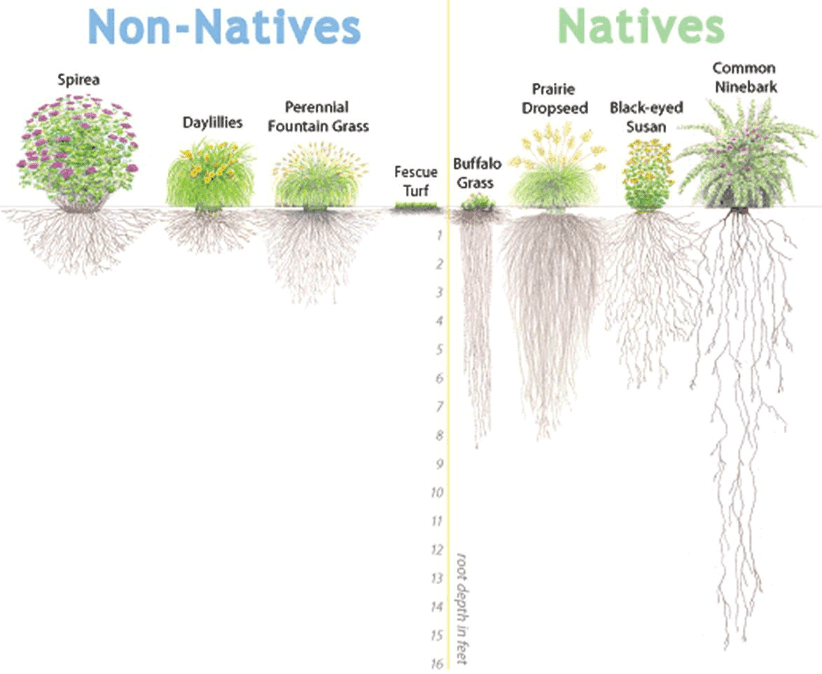
Native plant roots grow deeper than non-native plants that are common in the landscaping industry. Once they are established, there should be no watering needed to keep them alive.
Native plant roots grow deeper than non-native plants that are common in the landscaping industry. Once they are established, there should be no watering needed to keep them alive.
During a rain event, native plant roots help channel water down into the soil so that it can be soaked up like a sponge. This reduces the amount of water standing on the soil surface that would otherwise become runoff, which contributes to flooding in downhill areas.
During a rain event, native plant roots help channel water down into the soil so that it can be soaked up like a sponge. This reduces the amount of water standing on the soil surface that would otherwise become runoff, which contributes to flooding in downhill areas.
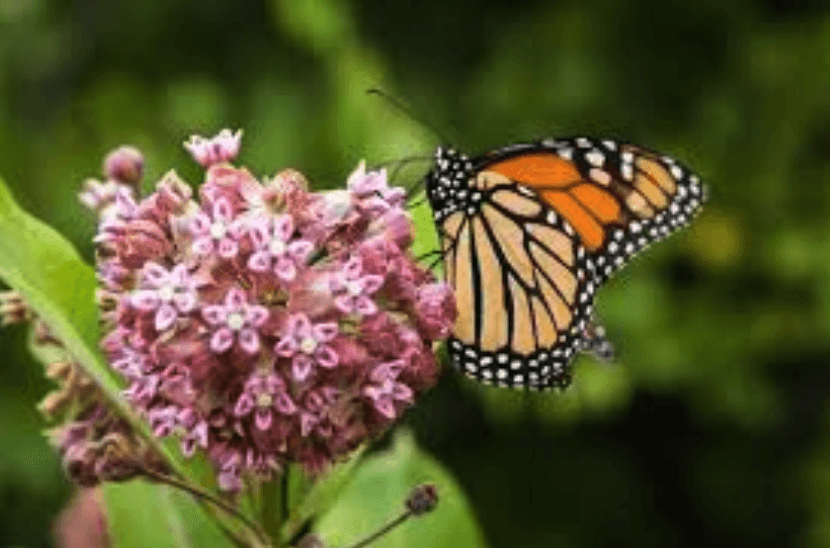
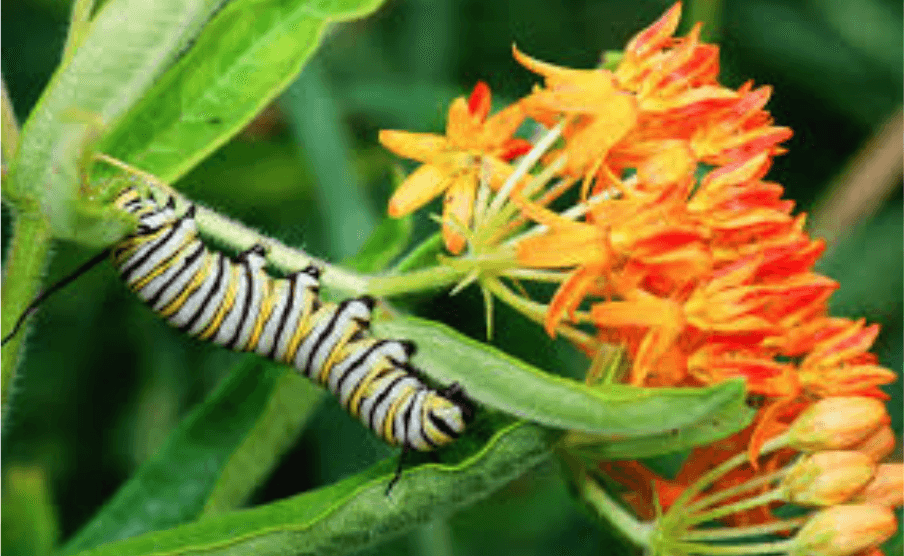
Native plants don't just help us combat flooding, they provide food and shelter for birds and pollinators. Many species of plants evolved alongside certain species of insects to create a relationship where one cannot survive without the other. One great example is the Monarch butterfly, whose caterpillars exclusively eat the leaves of milkweed plants.
Native plants don't just help us combat flooding, they provide food and shelter for birds and pollinators. Many species of plants evolved alongside certain species of insects to create a relationship where one cannot survive without the other. One great example is the Monarch butterfly, whose caterpillars exclusively eat the leaves of milkweed plants.
Built for every season, maintained with a lighter touch
Built for every season, maintained with a lighter touch
We focus on designing gardens that will look good in all 4 seasons, which allows us to leave plants standing during the winter to feed and provide shelter for birds and insects.
We focus on designing gardens that will look good in all 4 seasons, which allows us to leave plants standing during the winter to feed and provide shelter for birds and insects.
After the initial install, the goal is to significantly reduce or completely remove the need to add wood chip mulch to a garden bed over time. Native gardens are planted densely to encourage them to fill in, creating a tight planting that out-competes most weeds. Removing invasive plants that occasionally pop up in your native garden is an important part of the maintenance plan.
After the initial install, the goal is to significantly reduce or completely remove the need to add wood chip mulch to a garden bed over time. Native gardens are planted densely to encourage them to fill in, creating a tight planting that out-competes most weeds. Removing invasive plants that occasionally pop up in your native garden is an important part of the maintenance plan.
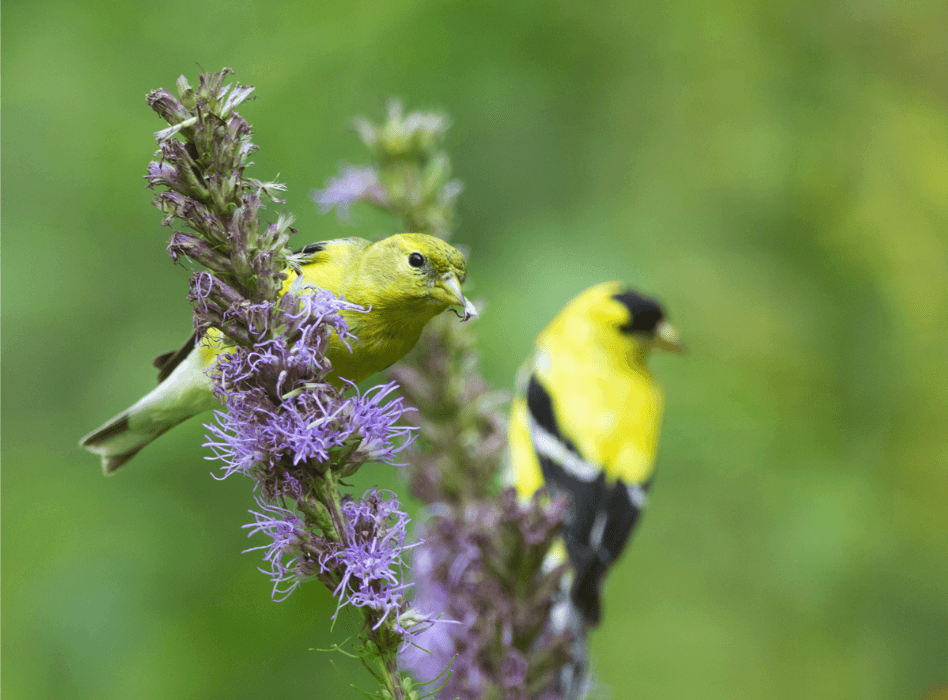
This picture shows two American Goldfinch eating the seeds from a blazingstar flower.
Installation
Installation
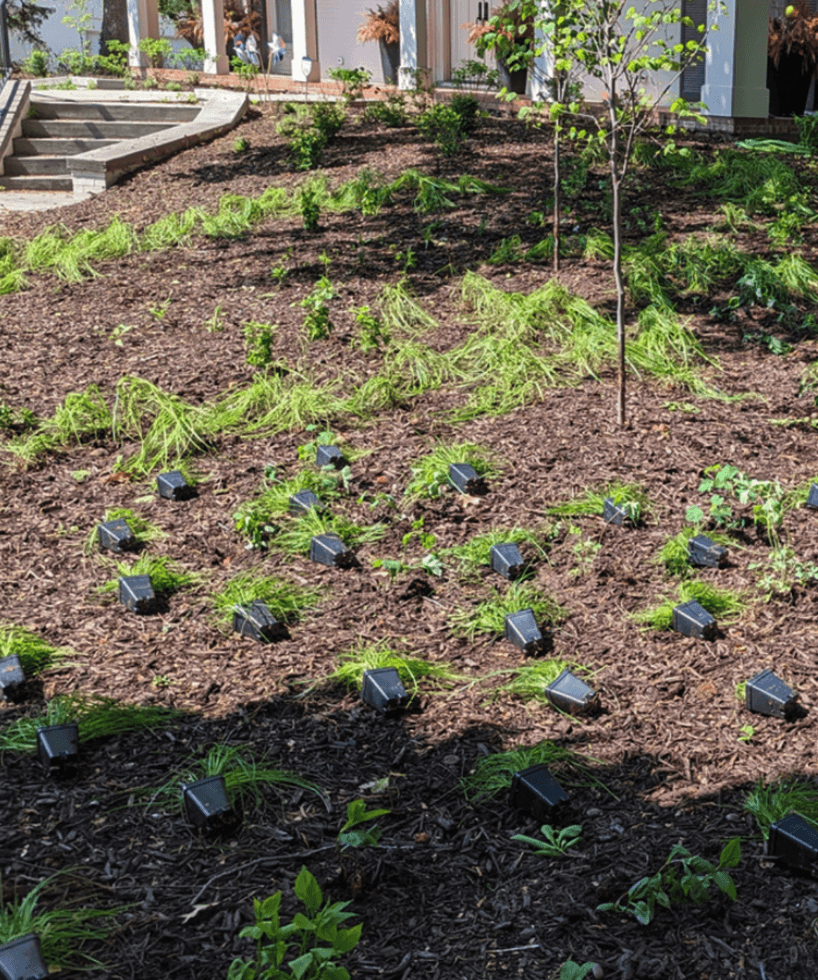
Our native plantings will often start out looking like this picture. Woodchip mulch is used to protect the ground from the harsh sun and prevent weeds from sprouting. Native plant plugs are installed densely to encourage them to fill in any gaps, further reducing any competition from weeds.
Our native plantings will often start out looking like this picture. Woodchip mulch is used to protect the ground from the harsh sun and prevent weeds from sprouting. Native plant plugs are installed densely to encourage them to fill in any gaps, further reducing any competition from weeds.
Explore native garden types
Choose the condition that matches your yard, then decide whether you want to buy the plants directly or have Master Design handle the full installation.
Sunny, drier spaces
Pocket Prairies & Prairie Strips
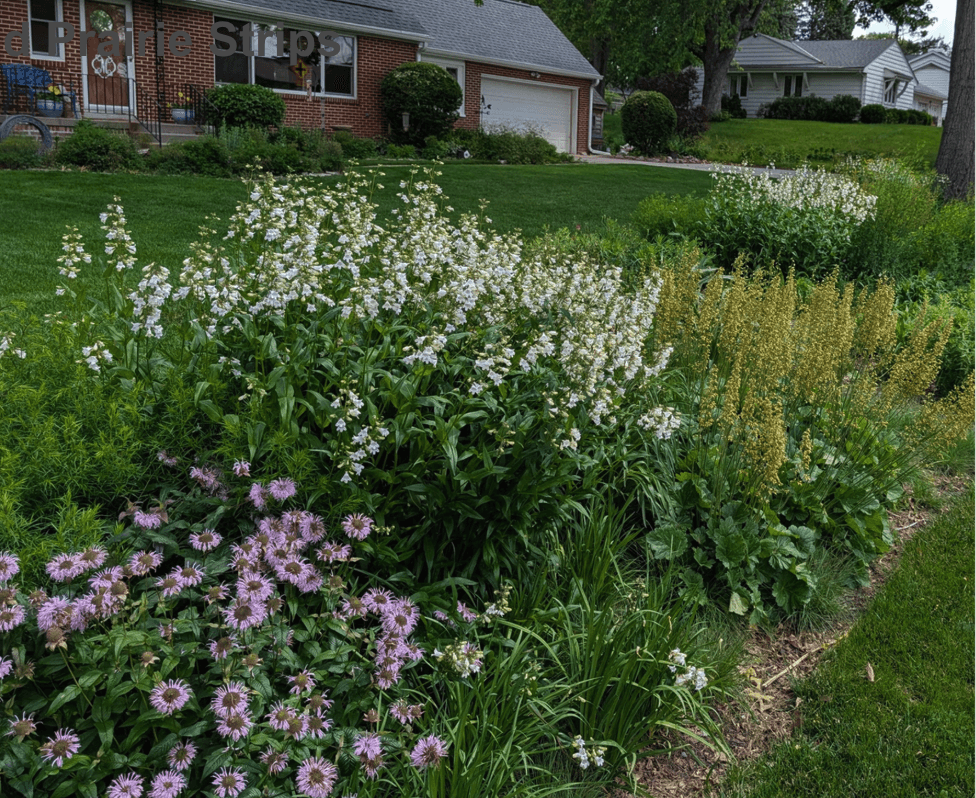
A beautiful prairie strip garden, designed to provide a natural border that separates the sidewalk or road from the front yard. Prairie strips can be easily added to any yard to create separation or a border in a vast expanse of lawn without taking as long of time to grow as a hedge.
Pocket prairies are a beautiful display, even in the fall. As most plants are going dormant, asters are still providing food to the pollinators that are preparing for hibernation or migration. Pocket prairies act as a rest stop for migrating birds in the fall. Seeds from grasses and flowers nourish hungry birds on their long journeys.
Leaving your plants standing provides crucial habitat for many different pollinators over the winter. Hollow stems and leaf litter give butterflies and other pollinators a place to lay dormant during the cold winter months.
Ready to bring native plants home?
Choose the path that fits your project. Visit the nursery to buy plants for your own installation, or have Master Design design and install a native garden for you.
Buy the plants
Visit the display garden and greenhouse to see what native plants are currently in stock, then take home options that fit your sun, shade, wet, or dry conditions.
Have it installed
Let Master Design plan and install a dense native planting using nursery-grown plugs, then maintain the garden as it fills in and becomes more self-sustaining.